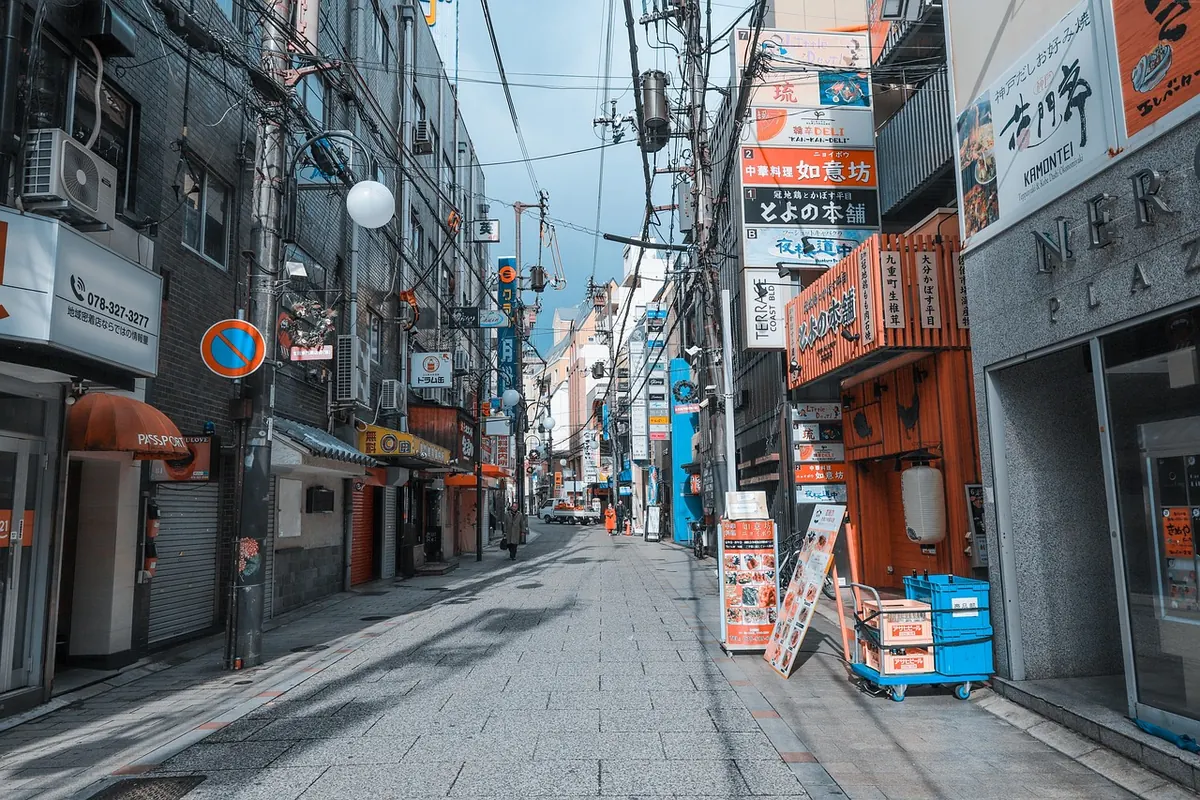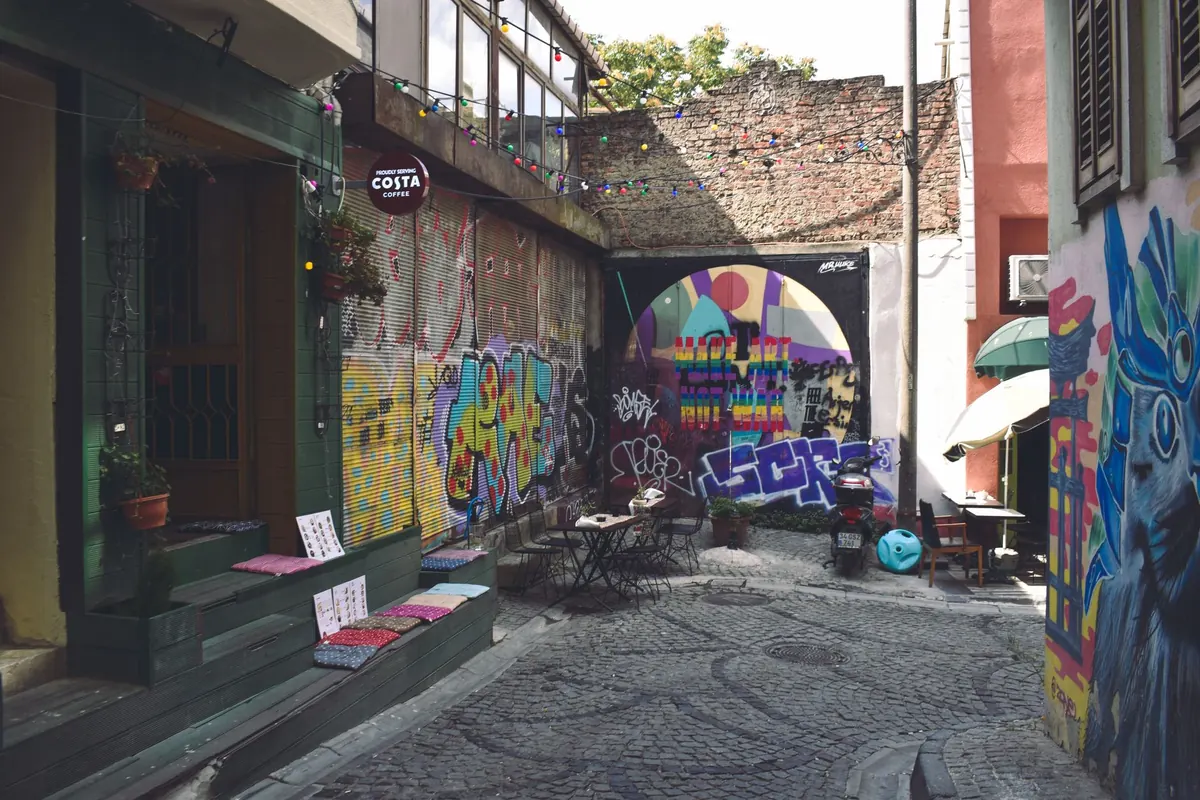
The first morning in a new city is a small test of observation. Before you open a map, open the door and walk. Hotel breakfast will still be there; the street will not wait. The best local breakfast spot is rarely the place with the longest review queue online. It is the place where the morning already has a rhythm: someone unlocking a door, stacking bread, greeting the first regular by name.
Start with the streets, not the reviews
Walk a ten-minute radius around where you are staying, ideally between seven and nine. This is when a neighborhood shows its working face: nurses coming off a night shift, builders buying rolls, parents steering children toward school, dog walkers, delivery riders, office workers who know exactly how long the queue takes. Follow the people who move without checking their phones. They are not searching for breakfast; they are going to it.
Look at the streets themselves. A good breakfast street usually smells of bread, coffee, or frying dough. You might see a cluster of people standing outside a small shop, cups in hand. A bakery with a steady stream of customers carrying paper bags is a stronger signal than a beautiful café with empty tables and a menu in five languages. Note the places where people turn in without hesitation, then keep walking. You are building a shortlist, not committing to the first croissant you see.
Read the morning crowd
Morning crowds tell you what kind of breakfast place you have found. At half past seven, a café full of people eating quickly is serving a different need from a café that fills at ten with laptops and slow coffee. Neither is automatically better, but they are different tools. Match the place to your own morning.
The commuter queue
A queue that moves briskly is often a good sign. People order without looking at the menu, pay, eat standing or take a bag, and leave. The staff may be efficient rather than chatty. That is not rudeness; it is a system built for people with somewhere to be. If you want a quick, honest breakfast and a sense of local routine, join it. Order the thing the person in front of you ordered, or point to something behind the glass and ask what it is.
The regulars’ table
Then there is the slower version: a few tables of people who are greeted by name, who read the newspaper, who argue gently about football or the weather. The menu may be short and the décor may be tired. Watch how the staff and customers talk. A place where the person behind the counter knows how someone takes their coffee is usually worth trying. You do not need to become a regular on day one. You just need to notice the signs.
- Customers greet staff and each other by name.
- The queue moves fast, but people still chat.
- Trays are emptied and refilled steadily, not in one big rush.
- Locals order off-menu or ask for the same thing every day.
- The place is busy at an hour that suits workers, not tourists.
Decode the menu and the display case
Menus are a kind of local document. A short, handwritten menu is often a better bet than a laminated book with photographs of every dish. It suggests the kitchen changes things, uses what is fresh, and does a few things well. A menu in the local language—with a few helpful translations, perhaps—is not a barrier. Point, ask, and learn. The best breakfast is sometimes a single item done properly: a warm pastry, a bowl of noodles, a plate of bread and cheese, a thick yogurt with fruit, a savoury pie.
Look at the display case as well as the menu. Empty trays at nine in the morning can mean the good things have sold. A tray that has been sitting full since dawn is less promising. Watch what staff restock. If a baker is bringing out a new batch from the back, that is your cue. Ask a simple question: “What is good this morning?” or “What do you recommend?” You will usually get a straight answer, and it is a better use of your time than trying to decode every item on a chalkboard.
Breakfast does not look the same everywhere. In one city it might be a croissant and an espresso at a standing bar; in another, a bowl of soup at a market stall; in another, a plate of eggs and toast in a neighborhood café. Do not arrive with a fixed idea of what breakfast should be. Arrive with an appetite and a willingness to order the local version. If you are unsure, order the smallest, plainest thing first. It is hard to hide bad bread or bad coffee.
Opening hours are the quiet clue
Opening hours are the clue people overlook. A bakery that opens at six and sells out by nine is telling you something. A café that opens at eleven and serves brunch until three is telling you something else. Neither is a secret code, but the timing matters. Check the hours on the door, not only online. Websites and map listings go stale; a handwritten sign taped to the window is more current. Note the day of the week too. Many good places close on a Monday or take a break in the afternoon. A place that is closed at eight on a Tuesday may still be excellent—it is just not a breakfast place on Tuesdays.
Arrive early if you can. The first hour often has the freshest bread, the calmest staff, and the best chance of a seat. If you find a place that is packed at seven thirty and quiet at ten, you have found a breakfast place. If it is quiet at seven thirty and packed at eleven, you have found a brunch place. Both can be good. Only one will show you the city waking up.
Follow the neighborhood routine
Give a neighborhood three mornings. Walk the same route at roughly the same time and notice what changes. The school run has a different rhythm from the market crowd. A shift change at a hospital or factory can fill a bakery for twenty minutes and then empty it. A church service, a weekly market, a delivery of fresh fish—small routines shape where people eat. If you see the same faces in the same place on two mornings, that is a strong signal.
Ask questions carefully. “Where do locals eat?” is a difficult question; it puts people on the spot and often produces a polite recommendation rather than a useful one. “What do you usually get here?” is easier to answer. So is “Is this place always busy?” or “Where do you buy bread around here?” Listen for the place someone mentions without being asked. That is usually the one they actually use.
Residential side streets often beat main squares. A café near a school may be rushed at eight and peaceful at nine. A bakery near a market may open early only on market days. A tiny place near an office block may be perfect for a quick weekday breakfast and closed all weekend. Match the place to your schedule, not to a list. The best local breakfast spot is not a universal ranking. It is the one that fits the morning you are having.
A practical three-morning plan
- Morning one: Walk a ten-minute radius between seven and nine. Note three places: one busy bakery, one café with a mixed crowd, and one plain-looking spot with a steady stream of customers. Do not eat yet unless something smells too good to pass.
- Morning two: Return to the busiest of the three. Arrive early, order the simplest thing on the menu, and watch how the room works. Is the queue moving? Are tables turning over? Do people seem at home?
- Morning three: Try the second place. Compare the bread, the coffee, the greeting, and the pace. By now you will know whether you want a quick counter breakfast or a slower table. Go back to the one that fits your morning.
On the last morning, leave the hotel breakfast behind and take the walk again. The city will look different once you have a route. You will pass the bakery where the trays were still warm, the café where the staff knew the regulars, the corner where the school run slowed everyone down. The best breakfast spot is rarely the most beautiful or the most reviewed. It is the one where the morning makes sense, and where you would be happy to come back tomorrow.
Photo: 12019 / Pixabay